





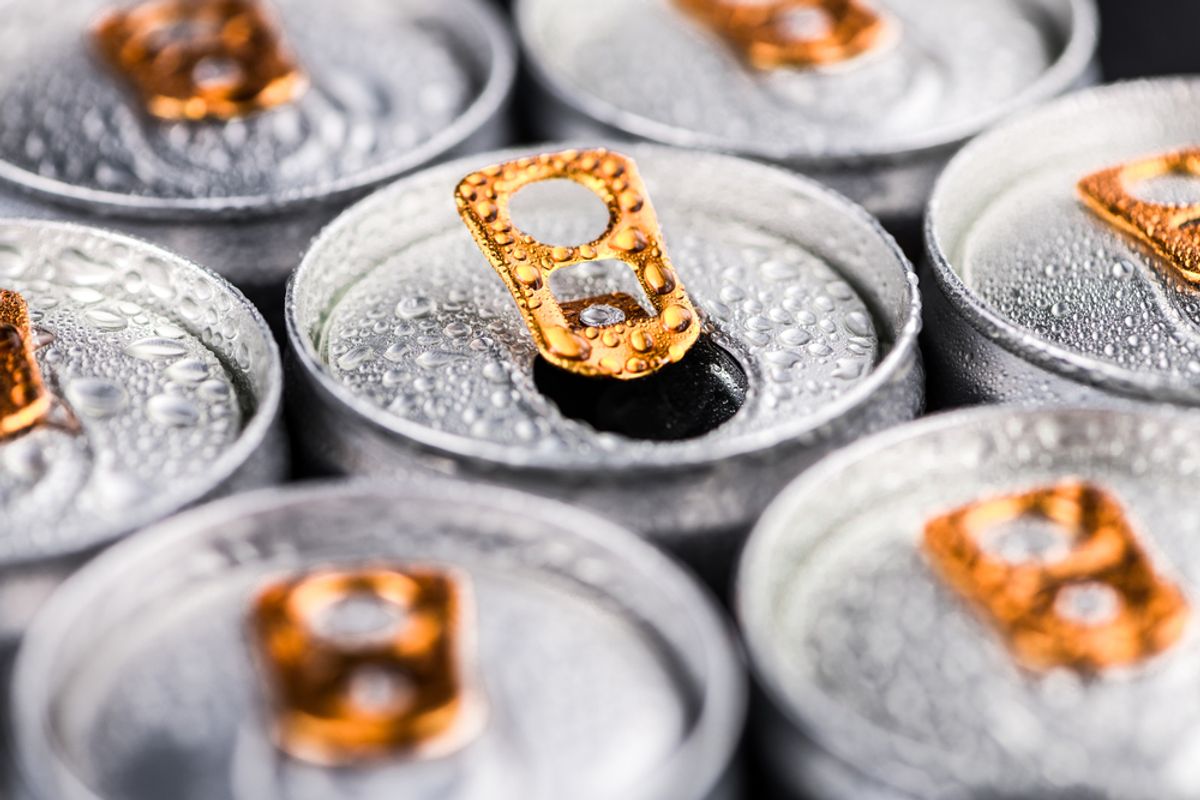

A healthy man in his 50s suffered a stroke after drinking eight energy drinks every day, a habit that raised his blood pressure to a dangerously high range. The incident, described in BMJ Case Reportsis prompting renewed concern about how excessive caffeine consumption can harm the cardiovascular system.
The patient arrived at the hospital with sudden weakness, numbness, and difficulty walking and talking. Scans revealed a stroke in the thalamus, the deep region of the brain involved in movement and sensory processing. His blood pressure measured 254/150 mm Hg, a level so high that doctors initially had difficulty identifying the cause. Only after reviewing his daily routine did the source become clear: eight energy drinks each day, amounting to almost 1,300 milligrams (mg) of caffeine.
“In 2018, major UK supermarkets implemented a voluntary ban on sales of [these drinks] to under-16s in a campaign to tackle obesity, diabetes and tooth decay, but less explored are the potential increased risks of [energy drinks] for cardiovascular diseases, including ischemic [restricted blood supply or blood clot] and hemorrhagic [bleed in the brain] strokes, particularly in younger demographic groups who would otherwise be expected to have a lower risk of stroke,” the study authors said in a Press release.
Read more: How caffeine and alcohol can worsen your mental health
High caffeine drinks
Energy drinks have become a global industry based on images of endurance, speed and productivity. But marketing often hides how strong the drinks can be. A single can may indicate its caffeine content, but the amount varies greatly between brands and may be much higher than most consumers expect.
“The average [energy drink] “It is said to contain about 80 mg of caffeine per 250 ml serving, compared to 30 mg in tea and 90 mg in coffee, but in some cases it can contain up to 500 mg per serving,” the authors said. By comparison, health guidelines recommend that adults consume no more than 400 milligrams of caffeine per day.
Therefore, a drink that seems comparable to a cup or two of coffee can provide much more stimulation. And for people who consume multiple servings a day, total caffeine intake can reach levels considered unsafe.
Additives and cardiovascular stress
Once the man revealed his daily habit of drinking energy drinks, doctors reassessed why his blood pressure remained so difficult to control. Despite intensive treatment, it remained dangerously high until he stopped consuming the drinks completely, after which his blood pressure normalized and he no longer required medication. The authors say this pattern strongly points to their daily stimulant intake as the source of the persistent high.
The report also notes that energy drinks may exert cardiovascular effects beyond the amounts of caffeine indicated on the label. Some ingredients provide additional “hidden caffeine,” particularly guarana, while others can amplify the impact of caffeine.
“The hypothesis is that the interaction of these other ingredients, including taurine, guarana, ginseng and glucuronolactone, enhances the effects of caffeine, increasing the risk of stroke. [cardiovascular disease] risk through numerous mechanisms,” the authors explained.
Warnings about the long-term effects of energy drinks
Although his blood pressure eventually recovered, the neurological damage did not. Eight years after the event, the man continues to experience numbness on his left side, a lasting reminder of how quickly a cerebrovascular injury can overcome the body’s ability to heal, even once the underlying trigger has been removed.
The authors note that this single case cannot establish causality, but adds to the growing concern about cardiovascular strain related to excessive use of energy drinks. Given the popularity of these drinks, especially among younger people, they argue that clearer guidance and stricter supervision can help prevent similar cases in the future.
This article does not provide medical advice and should be used for informational purposes only.
Read more: You’ve probably heard that coffee can slow growth. Is there any truth in this?
Article sources
Our writers at Discovermagazine.com use peer-reviewed studies and high-quality sources for our articles, and our editors review them for scientific accuracy and editorial standards. Please review the sources used below for this article:
#Hidden #Caffeine #Energy #Drinks #Contribute #LongTerm #Health #Risks