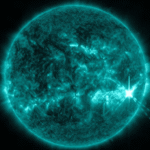



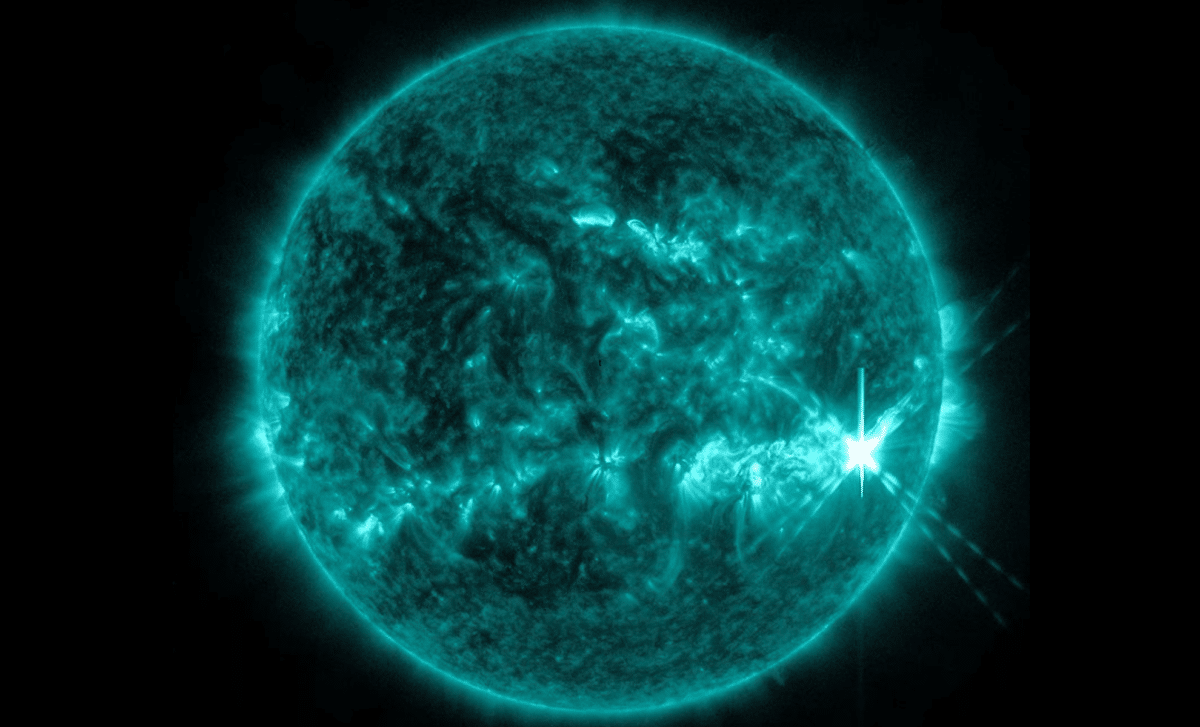
On December 8, 2025, the Sun unleashed a powerful solar flare, an event that captured the attention of scientists and space enthusiasts alike. This flare, classified as X1.1, marks one of the most intense solar flares recorded during the current solar cycle. The Solar Dynamics Observatory, a key instrument in NASA’s arsenal, captured images of this dramatic burst of energy, which has important implications for terrestrial and space activities.
The importance of solar flares
solar flares They are bursts of radiation that originate in the Sun’s atmosphere. When these flares explode, they release large amounts of energy across the electromagnetic spectrum, including X-rays and ultraviolet light. The strength of a flare is classified according to its intensity, with class x flares being the most powerful. According POTthe recent outbreak of December 8, 2025It is classified as X1.1, a classification that indicates a very strong eruption. These types of solar flares can have profound effects on Earth, particularly in terms of communications and satellite operations.

Credit: NASA/SDO
This recent solar flare is a reminder of the dynamic behavior of the Sun and its potential to disrupt modern technologies. The release of solar energy can interfere with satellite communications, GPS systems and even cause problems with power grids. Space weatherdriven by solar activity, it is now an important consideration for both space agencies and Earth systems.
The impact on space weather
Understanding the effects of solar flares on space weather is crucial to predicting and mitigating their impacts on Earth. solar flares and coronal mass ejections (CMEs) They often occur simultaneously, creating a “space storm” environment that can cause disturbances far beyond our planet’s atmosphere. These storms can increase radiation levels in space, potentially affecting astronauts and spacecraft. Solar flares, especially class
In addition, solar flares also pose a risk to technological infrastructure in space. Satellites They may experience malfunctions or even permanent damage due to increased radiation levels from these solar events. As we continue to explore space and rely on satellite-based systems, understanding the behavior of solar flares is more important than ever.
The role of NASA’s Solar Dynamics Observatory
The Solar Dynamics Observatory (SDO) plays an integral role in the observation and analysis of solar events like this. Launched in 2010, SDO provides high-resolution, real-time images of the Sun. It continuously monitors solar activity, helping scientists predict space weather events and better understand the Sun’s behavior. The SDO captured the December 2025 flare and offers invaluable data that will aid researchers in their ongoing studies of solar phenomena.
By studying solar flares through instruments like SDO, NASA is better equipped to forecast space weather and its potential impacts. This knowledge is not only crucial for space missions but also for protecting the technologies we depend on here on Earth. The knowledge gained from such studies improves our ability to prepare for and respond to space weather events.
Implications for Earth and space exploration
The timing of this solar flare is particularly important for ongoing space missions and the future of human space exploration. The astronauts aboard the International Space Station (ISS) or on missions beyond Earth’s orbit are exposed to higher levels of radiation during solar flares. These events can pose serious health risks, especially in the case of prolonged space missions. Understanding the frequency and intensity of solar flares is essential for planning missions to the Moon, Mars and beyond.
Additionally, solar flares can have a lasting impact on Earth’s technological systems. The X1.1 flare that erupted on December 8, 2025 could have interfered with GPS signalsairline communications and other critical systems. As we continue to increase our reliance on satellite technology for global communications, navigation and weather forecasting, protecting these systems from the unpredictable nature of solar activity becomes more crucial.
The future of solar cycle 25
This solar flare is part of Solar Cycle 25a period of increased solar activity that began in 2019 and is expected to peak around 2025. As the Sun continues to increase its activity, we can expect more solar flares and other space weather events. The ongoing study of Solar Cycle 25 will provide valuable information about the behavior of the Sun and its possible impact on Earth. For those interested in following these developments, NASA and other space agencies around the world will continue to monitor solar activity and provide updates.
Solar Cycle 25 marks a critical phase in our understanding of space weather. As we learn more about how solar activity affects both space missions and life on Earth, scientists and engineers will be better prepared to mitigate these risks and protect our infrastructure.
#NASA #warns #disruptions