





I never knew I needed an explanation until someone asked me: why is singletrack so much more fun than wider trails like doubletrack or dirt roads? We’re talking here about mountain biking and the appeal of the single track trail, a narrow trail, usually 18 to 24 inches widethat meanders through a given terrain.
The most obvious answer is that a single track is more aesthetically pleasing than a wider road.
But the sheer joy of riding well-designed trails on a mountain bike goes beyond aesthetics. I’ve also done a lot of hiking in my life, but rarely have I felt compelled to let out an audible scream while traversing a trail on foot.
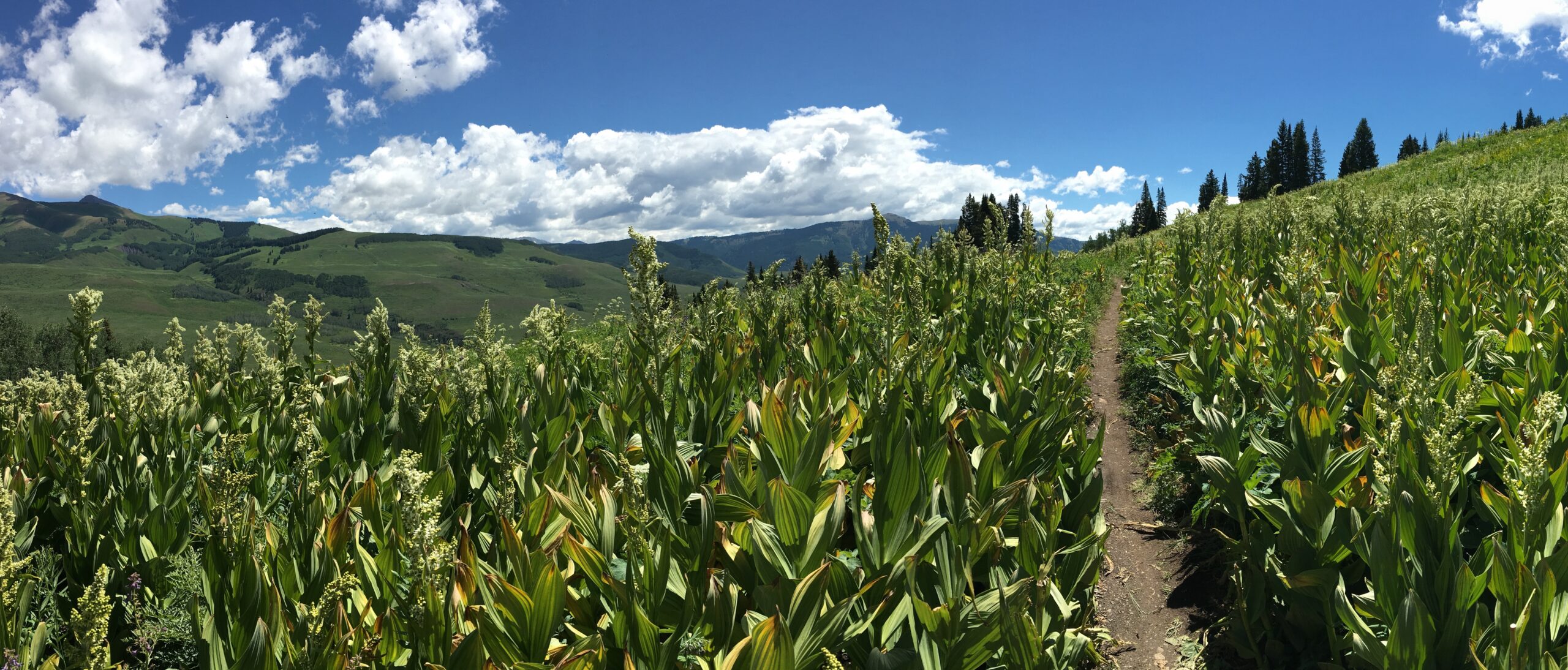
Last weekend, while biking the world-famous Crested Butte singletrack, I screamed with joy more than once. I couldn’t help it. I was that euphoric. The epic views of the West Elk Mountains surely added to my elation, but the beauty seemed like icing on the cake. The joy he had experienced was both physical and cerebral.

My favorite trails are what cyclists call “flowing”: fast and twisty, but without too many technical obstacles like rock fields or tricky ledges. The classic example of this is my old standby, the trail 401. A ride like this requires cognitive effort: I need to look ahead on the road, be aware of what’s ahead, shift gears at the right time, and shift my body weight forward or backward on the pedals or seat as the terrain shifts beneath my wheels. My bike is a well-oiled machine and my body becomes an extension of it.
Singletrack requires focused attention that puts me fully in the moment. Without a wider path, I have fewer lines of movement to choose from and “less room for error,” as several friends pointed out when I asked them what they I loved the singletrack. What I love is that riding singletrack makes me feel completely present in my body, completely aware of its relationship to my surroundings, and completely capable. My heart is pounding and there is a satisfying rhythm and speed to my movements through the Aspen trees or the waist-high aisles of wildflowers. I feel completely alive and connected to the world around me. As my friend Sven said: “If you’re not living in the now when you’re mountain biking, then you’re not doing it right.”
Psychologist Mihaly Csikszentmihalyi has a name for this feeling: flow. He describes it as a “state of ecstasy” with a “spontaneous and effortless feeling.” When you’re in a state of flow, he said, “you forget about yourself, you feel part of something bigger. And once the conditions are present, what you’re doing is worth doing for its own sake.” This is how I feel on a good day of mountain biking.
This state of focus and possibility carries over into the rest of my life, so it doesn’t surprise me that some groups are now Looking to mountain biking as a way to help kids manage ADHD. Although a hard day of mountain biking is physically and cognitively exhausting, it resets my mind and replenishes my soul. The obligatory post-ride double-decker tacos don’t hurt either.
Photos: Crested Butte Trail by Christie Aschwanden. Crested Butte Trail 401 by Pierce Martin.
This post was first published in 2017.
#word